

A groundbreaking youth-focused farming initiative is taking root in South Africa, offering an innovative response to two of the country’s most pressing challenges — soaring youth unemployment and growing food insecurity.
Launched on 5 May in Pretoria, the Green Acres Hydro-Coop programme is empowering young people to build sustainable agricultural businesses through small-scale agritech farming. The initiative is led by Afrika Tikkun and funded by impact investor E Squared Investments.
The pilot programme aims to shift young people away from the traditional job hunt and instead position entrepreneurship as a viable pathway to financial independence and long-term economic participation.
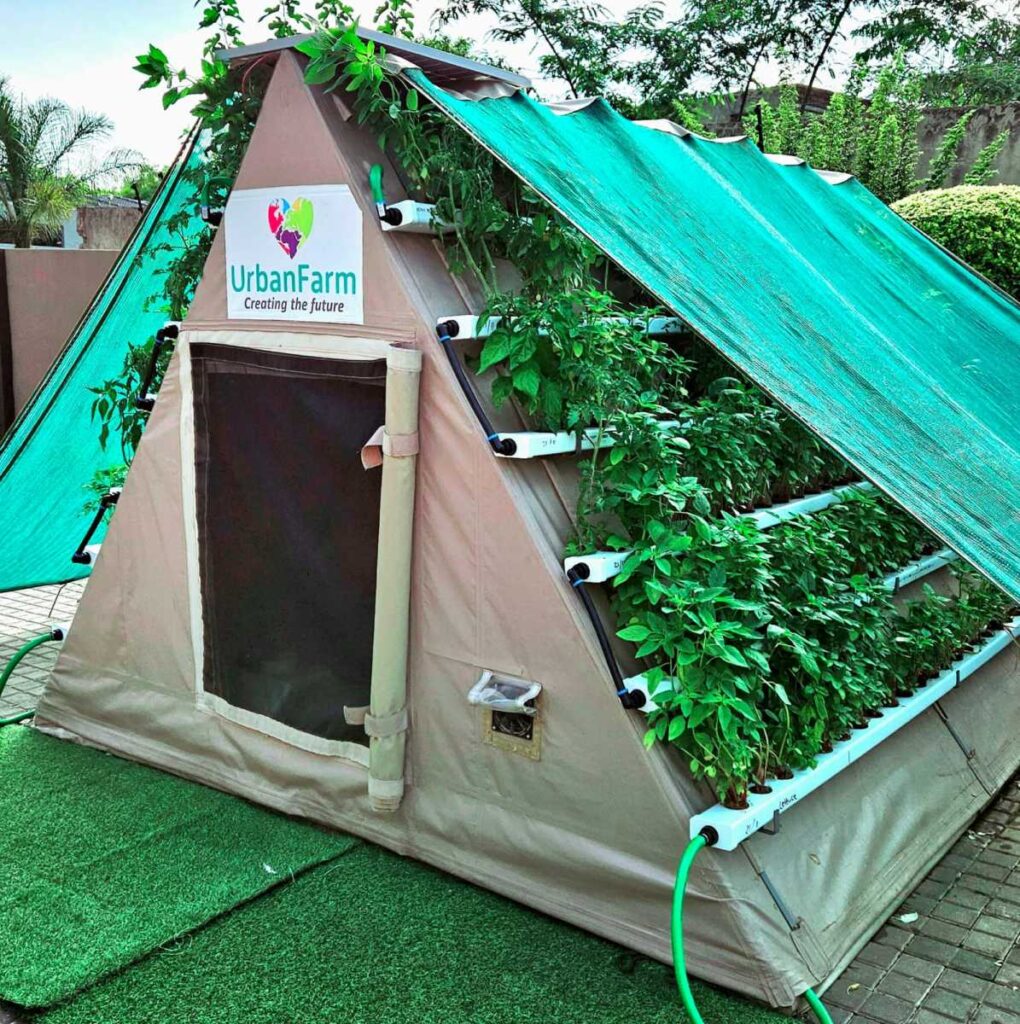
The Hydro Coop is a solar-powered farming solution that merges hydroponic vegetable production with poultry farming. Photo supplied.
At the heart of the initiative are 20 young participants who are being equipped to operate revenue-generating micro-farming enterprises using compact, solar-powered Hydro-Coop systems that simultaneously produce chickens and hydroponic vegetables. The long-term vision is to create a scalable model that can be replicated in communities across the country.
South Africa continues to battle severe labour market challenges, particularly among young people and women, who remain disproportionately excluded from formal employment opportunities. The Green Acres Hydro-Coop programme seeks to address this imbalance by providing participants with practical business ownership opportunities in the agricultural sector.
The programme officially began in February, combining hands-on agricultural training with live business operations. Participants have undergone intensive training in hydroponics, farm management and entrepreneurship while simultaneously launching their own farming ventures supplying retail outlets.
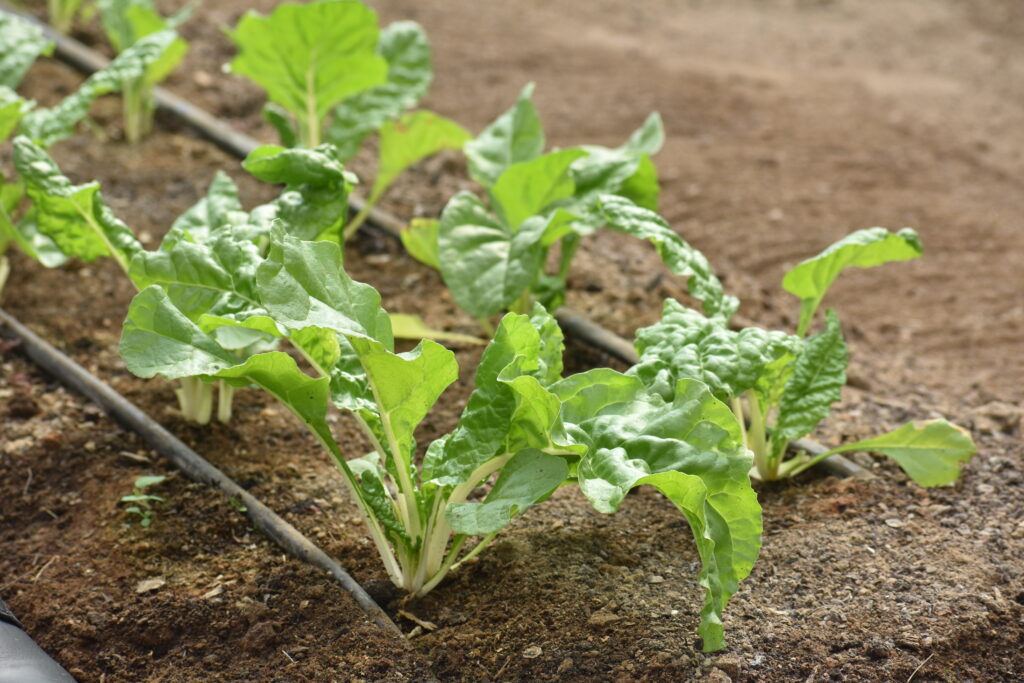
The Hydro-Coop units are designed as smart farming systems that integrate poultry production with hydroponic vegetable cultivation. Powered by solar energy and requiring no permanent infrastructure, the units consume significantly less water than traditional farming methods while promoting sustainable and biodiversity-friendly agricultural practices.
Beyond production, the programme also places a strong emphasis on retail and customer engagement. Afrika Tikkun has partnered with Garden Fresh at Joburg’s green town square, Nine Yards, where participants will sell their produce in a customer-focused retail environment. This allows the young entrepreneurs to gain valuable experience in sales, customer service and business management.
If the pilot achieves its targets, the 20 youth-owned enterprises are expected to collectively produce 22,400 chickens and 60,000 vegetables annually — contributing approximately 228,000 meals while saving up to 1.5 million litres of water. The initiative also projects potential annual revenues of around R2.9 million and net profits of approximately R1.74 million.
The programme has placed a deliberate focus on empowering women in agriculture and entrepreneurship. Of the 20 participants, 19 are women and one is a young man living with a disability.
“It has been an incredible journey watching these 20 young trailblazers reimagine what’s possible in agriculture,” said Simone Moffat.
Photo Credits: Lesedi Seripe
Moffat explained that over the past three months of the 12-month programme, participants have transitioned from trainees to emerging entrepreneurs, building and operating their own agricultural businesses.
“Agriculture is no longer just about the soil; it’s about the soul of sustainability. These youth aren’t just farming for today; they are building the businesses of tomorrow and it’s up to us to make sure that path remains accessible for them,” she said.
According to Marc Lubner, the initiative was intentionally designed as an almost all-female cohort in recognition of the economic barriers many young women continue to face.
“Women, particularly younger women, continue to face higher unemployment rates, lower business ownership levels and weaker access to startup capital than male counterparts,” Lubner noted.
Rather than offering temporary employment placements, the programme centres on ownership and entrepreneurship.
“Agriculture can be a powerful engine for jobs, entrepreneurship and community growth. By giving young South Africans access to infrastructure, practical training and market opportunities, we are helping them build viable businesses and long-term income,” Lubner added.
The Green Acres Hydro-Coop model also builds on earlier success stories within Afrika Tikkun’s agricultural programmes, including that of Debra Dagada, who progressed from a learnership programme to becoming an independent farmer.
After completing an NQF Level 2 qualification in Plant Production, Dagada launched her own farming operation through Green Acres before eventually securing land at Northern Farm in Diepsloot. Despite setbacks, including crop damage caused by a hailstorm, she rebuilt her business through ongoing mentorship and infrastructure support.
“My journey is a powerful example of how a learnership can lead to sustainable entrepreneurship. From training to independent farming, I am not just growing crops, I am building a future for myself,” said Dagada.
Agritech service provider UrbanFarm Africa, which supports the initiative, says it has already implemented 271 smart farming projects, trained more than 7,500 people and helped participating farmers generate R250 million over five years.
“We believe in backing solutions that are both practical and enduring,” said Zakiya Khan. “What stands out in this model is its focus on enabling young people to participate meaningfully in the economy, not just through skills development, but through ownership and the ability to generate income over time.”
Afrika Tikkun plans to introduce another cohort of 20 young participants in 2027 as part of its broader vision to expand the Hydro-Coop model into more communities across South Africa.