

SA’s Recovery Faces Ultimate Stress Test as Global Energy Shock Hits Home
As South Africa enters the second quarter of 2026, the country’s hard-earned economic recovery is being pushed to its limits. A sudden global energy shock has triggered a sharp rise in the cost of living, with escalating fuel prices threatening to ignite a fresh wave of inflation driven by rising logistics costs. From basic goods to household budgets, South Africans are now navigating a fragile balance between local economic progress and mounting international pressures.
Despite these headwinds, the residential property market has shown notable resilience. Momentum that began during the monetary easing cycle of 2024 has continued into 2026, with BetterBond reporting a 9.7% increase in home loan applications in the first quarter compared to the previous quarter. On an annual basis, applications have grown by 6.1%, contributing to a 16% recovery in the housing market over the past two years.
A key factor behind this growth has been the easing of interest rates following the peaks seen in 2023. Improved lending conditions have driven a 21.8% rise in the BetterBond Home Loan Index since its lowest point. First-time buyers are playing an increasingly prominent role, now accounting for 38% of applications—up from 35.4% in 2023—signalling renewed confidence among new entrants to the market.
However, global uncertainty continues to cast a shadow over this recovery. Persistently high energy costs could slow the pace of further interest rate cuts, potentially stabilising the prime lending rate rather than allowing it to decline further. This would place additional pressure on affordability, particularly for lower-income buyers and those entering the market for the first time.
Rising living costs are already reshaping buyer behaviour. Many prospective homeowners are adjusting expectations and budgeting more cautiously, which may result in slower growth in both property prices and transaction volumes. In the near term, a buyers’ market is expected to persist, offering greater negotiating power to purchasers while maintaining overall market stability.
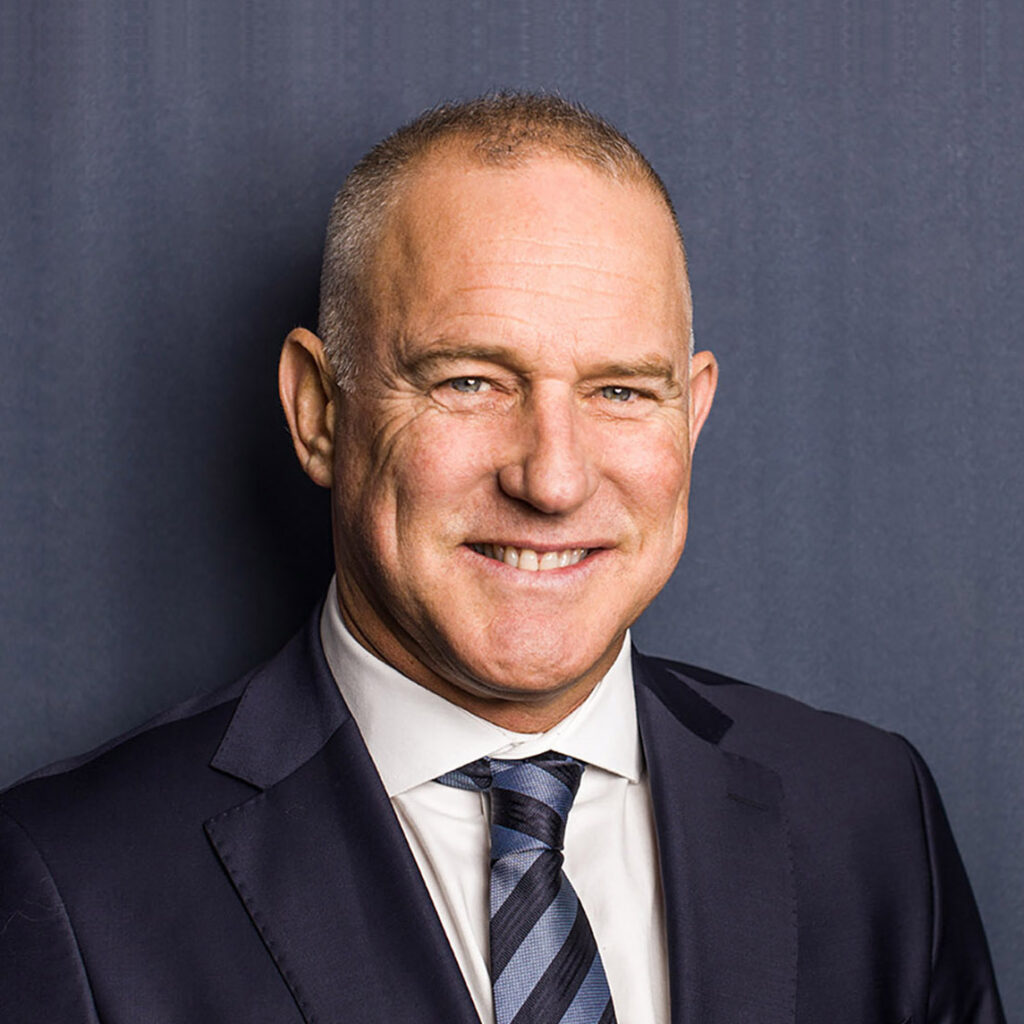
BetterBond’s National Head of Sales, Bradd Bendall. Photo supplied.
Beyond housing, the broader economic impact of the energy crisis is becoming increasingly evident. The relationship between a volatile rand and dollar-denominated oil prices is amplifying the strain on the economy. While temporary relief measures such as fuel levy reductions offer short-term support, they do little to address the underlying challenges posed by exchange rate fluctuations and rising import costs.
These pressures are particularly evident in the logistics sector. As transportation and distribution costs surge, businesses are passing these increases on to consumers, driving up the price of everyday essentials. The burden is not evenly distributed, with lower-income and rural households bearing the brunt of these increases due to higher delivery costs to remote areas.
The tourism sector, which had been on a steady recovery path, is also feeling the strain. A weaker rand—hovering around R16.64 to the US dollar—has made international travel increasingly inaccessible for many South Africans. At the same time, rising fuel costs are affecting domestic travel, increasing expenses for both consumers and hospitality operators.
In response, travellers are becoming more selective, favouring destinations that offer cost efficiency and sustainability. Accommodation providers that utilise renewable energy sources and prioritise local supply chains are gaining appeal, as they are better positioned to shield themselves—and their customers—from global volatility.
As these economic crosscurrents intensify, South Africa finds itself at a critical juncture. The resilience built over the past two years is now being tested by forces beyond its control. The path forward will depend not only on weathering the current storm but on building an economy capable of withstanding future shocks—one where every rand spent contributes to a more stable and sustainable foundation.