

Community-based agricultural cooperative demonstrates how government investment and local initiative can help fight hunger, poverty and unemployment
As South Africa reflects on the recently commemorated World Food Day, Sivusasizwe Agricultural Primary Cooperative (SAPC) provides a compelling story of how community-based organisations can strengthen local food systems, while creating employment and supporting sustainable community development.
Commemorated annually in October, World Food Day was observed under the theme “Innovate Today. Nourish Tomorrow.” The theme highlights the importance of practical innovation, resilient agricultural production and investment in communities as part of the effort to build a more food-secure future.
Located in Sawoti Village, Ward 4 of the Umdoni Local Municipality, within the Ugu District of KwaZulu-Natal, SAPC is a women-led agricultural enterprise producing fresh vegetables for local communities and established markets. The cooperative was registered in 2017 after five founding members identified a gap in the local fresh-produce market and pooled their resources to establish the farming operation.
Their vision was rooted in a simple but important reality: local traders and residents were travelling as far as Richmond to obtain fresh produce for resale. By developing agricultural production closer to the community, the cooperative sought to improve access to vegetables, generate income and use the area’s fertile agricultural land more productively.
Rebuilding after the floods
SAPC progress has not been without setbacks, the KwaZulu-Natal floods of 2022 caused extensive damage to its farming operation, destroying infrastructure and threatening the livelihoods that depended on the project.
Recalling the floods, chairperson Thandi Shezi said the situation had been devastating. “I could only put my trust in God. Everything was gone; there was nothing. The situation was dire. Some of us had to sell some of our properties to ensure that we got back on our feet.”
Despite these challenges, the cooperative resumed production and harvested green beans and spinach in December 2022. Although the waterlogged soil affected profitability, the members continued rebuilding the farming operation and strengthening its infrastructure.
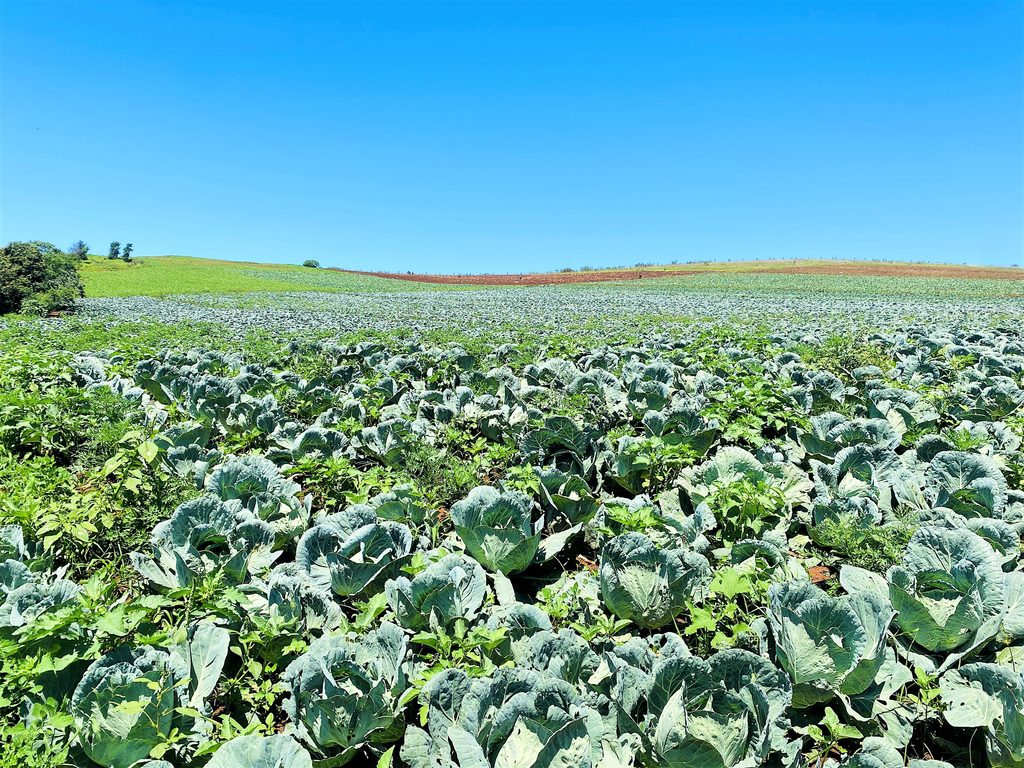
Their recovery illustrates the determination of community-based organisations that continue producing food and protecting livelihoods even when confronted by climate-related disasters. It also reinforces the relevance of this years World Food Day theme, which calls for innovation and resilient agricultural systems that can withstand climate shocks and market disruptions.
Government investment unlocking growth
Support from the National Development Agency has helped Sivusasizwe expand its agricultural production. The cooperative received grant funding of R272,405.10, primarily directed towards crop production.
The funding enabled the cooperative to acquire a mobile water pump and engine, office equipment and agricultural inputs. The improved pumping system increased its capacity to draw and distribute water, enabling the enterprise to expand production and increase employment from 12 to 27 jobs during an earlier phase of its development.
The NDA’s support also helped strengthen the cooperative’s organisational capacity through financial-management training and compliance support. This placed Sivusasizwe in a stronger position to attract assistance from other development partners and government institutions including seedlings, irrigation pipes, agricultural inputs, agricultural machinery, electricity, training, office equipment and mentorship.
This layered investment demonstrates how government funding can serve as a catalyst. “When grant funding is combined with institutional support, training, infrastructure and market access, a community enterprise is better equipped to move beyond short-term survival and build a more sustainable agricultural operation. The NDA’s key role was to unlock the existing potential and to ensure that they are capable to garner further government support – as is the case with their recent funding of R4.2 million from the Agricultural Development Agency as our coffers are limited” says Ms Yolisa Ndima, Provincial Manager of NDA in the province.
From local production to local livelihoods
The cooperative’s impact extends beyond the production of vegetables. The cooperative has created employment for residents while prioritising the participation of women and young people. Its employment model includes permanent and seasonal opportunities, allowing the enterprise to expand its workforce during labour-intensive production and harvesting periods.
The farm also provides practical exposure to students participating in agricultural skills-development programmes linked to Coastal College campuses. Students become part of the farming team and gain hands-on experience in activities such as planting and harvesting. A young student living in Dududu, Slindelo Mbonambi says “I have been able to put the theoretical knowledge to use since I arrived here three months ago. I will not be looking for employment after completing my qualification as I can start my own farm and employ others to make a good income.”
In this way, the cooperative contributes not only to immediate employment but also to the development of agricultural skills that can support the next generation of farmers and agricultural entrepreneurs.
Producing food and building markets
Following its recovery, Sivusasizwe harvested approximately 25,000 cabbages in 2023 – this set it on the path to success. Its produce has been sold through local and regional outlets, including Pick n Pay, Theo’s Fruit & Veg, Boxer, Mzinto Spaza Wholesaler, People’s Market and the Durban Stokvel Market in Richmond as well as local community members, informal resellers and other produce buyers.
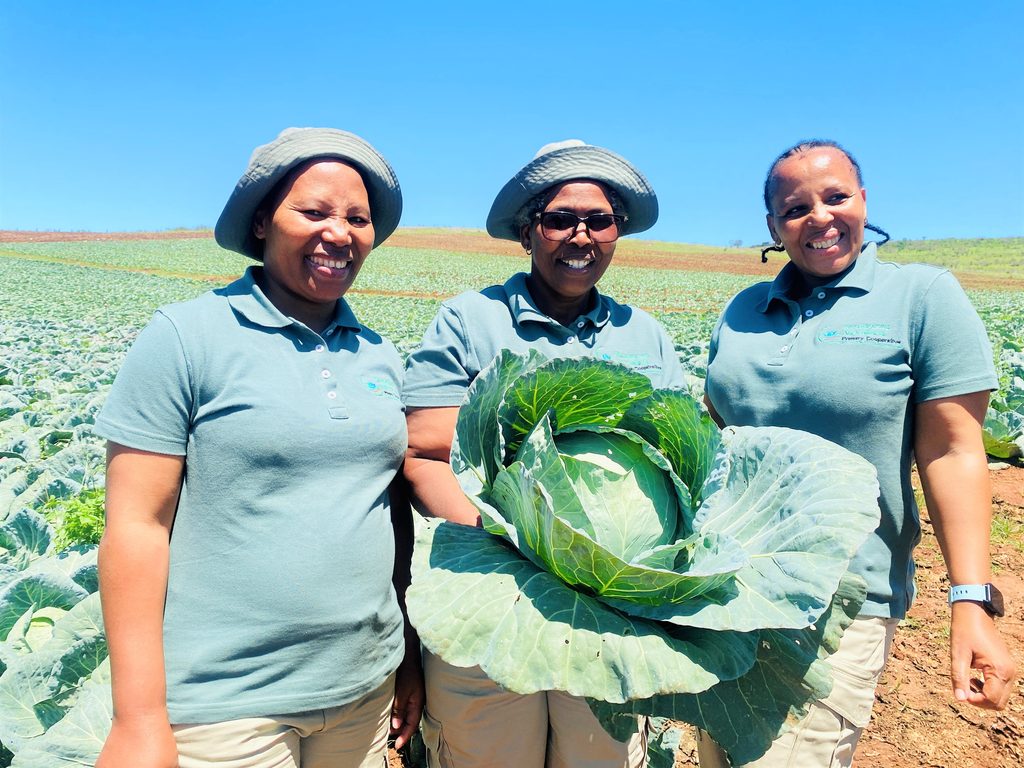
Cabbage remains one of the cooperative’s main income-generating crops, alongside spinach, green beans, butternut, maize and herbs. These products contribute to household food access while creating income for workers, cooperative members and community-based resellers.
Community organisations at the centre of development
Sivusasizwe shows that community-based organisations are important partners in the fight against hunger, poverty and unemployment. Because they are rooted within the communities they serve, these organisations understand local needs, available resources and the barriers that prevent people from participating meaningfully in the economy.
Through its civil-society organisation development approach, the NDA supports community organisations to improve governance, mobilise resources, establish partnerships and implement initiatives that contribute to sustainable livelihoods and community development.
Cultivating a more food-secure future
Looking ahead, Sivusasizwe plans to stabilise electricity capacity by obtaining solar system, obtain refrigerated transport and establish its own skills-development and learnership programme. These ambitions could help the cooperative increase production, preserve and transport fresh produce, strengthen distribution and provide more structured learning opportunities.
As the country continues to confront food insecurity, poverty and unemployment, Sivusasizwe offers a practical lesson: investment in community-based food production can achieve several development objectives at the same time. It can put nutritious food into local markets, create employment, transfer agricultural skills, support women and young people, stimulate local economic activity and strengthen the ability of communities to withstand future shocks.
Sivusasiswe not simply cultivating vegetables. It is cultivating livelihoods, resilience and hope, demonstrating what becomes possible when communities take ownership of their development and receive coordinated support to turn their potential into sustainable progress.
Shezi concludes to say they are grateful for all the support received to become a profitable, job and skill creating entity that operates within an area that would otherwise not have access to affordable and fresh produce.