
Africa Champions a New Era of Equity in Global Health Negotiations
Johannesburg, Republic of South Africa – 19 March 2026
African civil society organisations and health advocates are stepping forward with a unified and hopeful vision ahead of the final negotiations on the World Health Organization’s pandemic agreement—calling for a future where equity, partnership, and shared benefit shape global health systems.
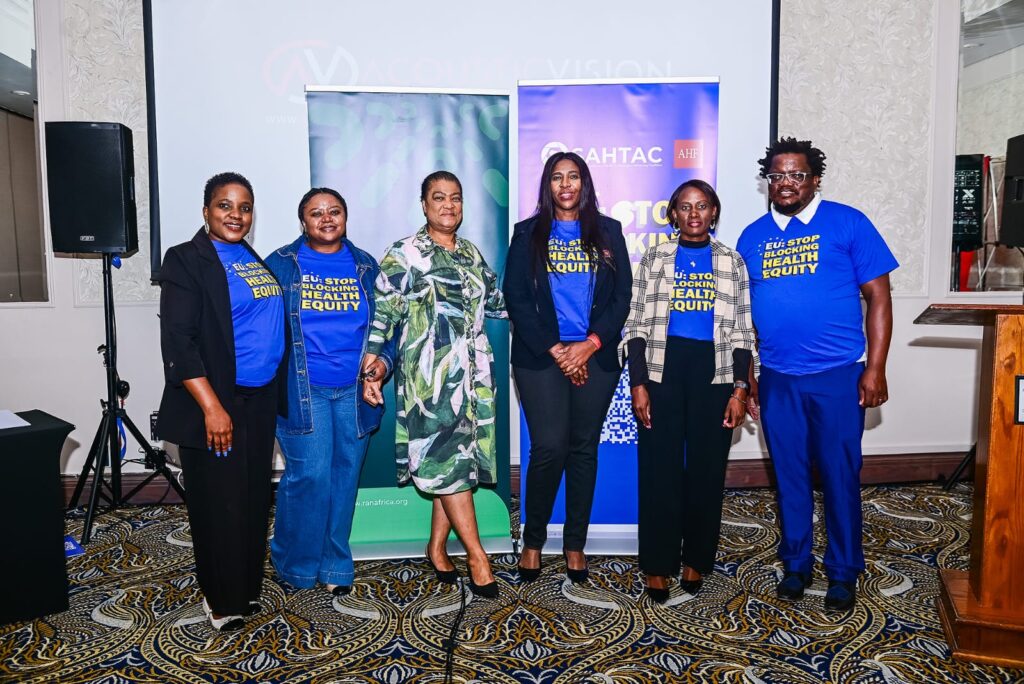
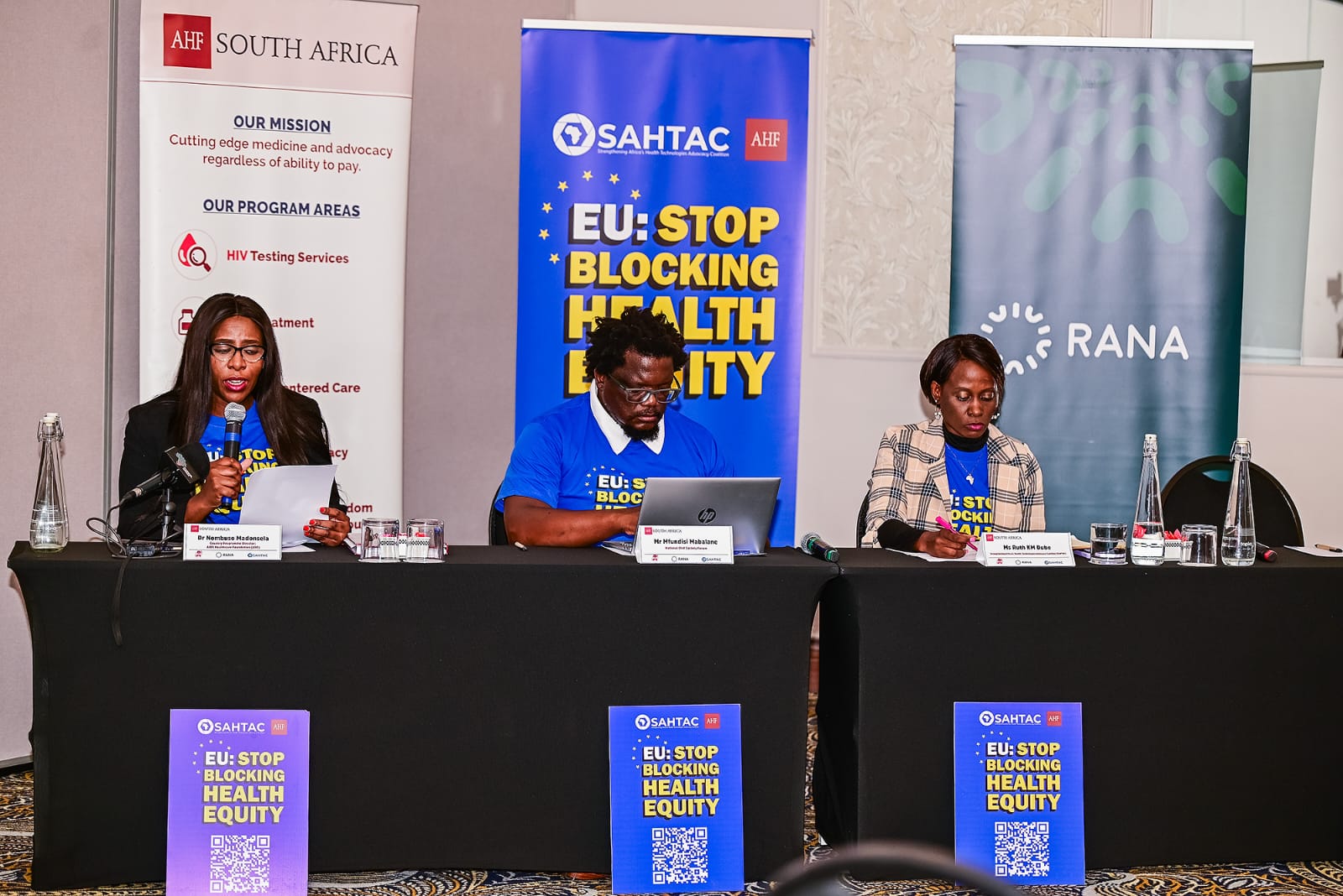
At a press conference held in Sandton, the AIDS Healthcare Foundation (AHF) South Africa / Africa Bureau, alongside Resilience Action Network Africa (RANA), the South African National AIDS Council Civil Society Forum, and the Strengthening Health Technologies Advocacy Coalition (SAHTAC), positioned the upcoming negotiations as a defining opportunity to build a more inclusive and balanced global health framework.
The pandemic agreement, adopted in May 2025, remains incomplete until the Pathogen Access and Benefit-Sharing (PABS) annex is finalised. With negotiations set to conclude in Geneva from 23 to 28 March, this moment represents a critical opportunity to ensure that global cooperation translates into shared and equitable outcomes.
Central to discussions is the importance of ensuring that access to pathogen samples and genetic data is matched by clear, fair, and reliable access to the benefits that arise from them—including vaccines, diagnostics, and treatments.
Africa’s contribution during the COVID-19 pandemic demonstrated the continent’s commitment to global solidarity. Countries across Africa shared vital data and supported scientific progress. Looking ahead, there is a strong collective vision to ensure that such contributions are met with equitable access and tangible benefits for all.
Advocates emphasised that this is not only about policy—it is about people. A strengthened, equitable system has the power to protect lives, build resilient health systems, and restore trust in global cooperation.
Ruth Dube of SAHTAC highlighted the importance of inclusive governance: “If Africa contributes data and scientific knowledge, it should also meaningfully shape how those contributions are used. Transparency and accountability are key to ensuring real impact.”
Mfundisi Mabalane of the South African National AIDS Council Civil Society Forum added that lived experience must guide global commitments: “Communities have seen both the challenges and the possibilities. This moment allows us to build a system that truly reflects their realities and needs.”
The conversation also underscored the significance of this moment for South Africa and the broader African continent. A more equitable global health system can support local manufacturing, strengthen healthcare infrastructure, and expand opportunities for young people entering the fields of science, medicine, and public health.
For Africa’s youth, this is a moment of possibility—one where their innovation, talent, and leadership can actively shape the future of global health.
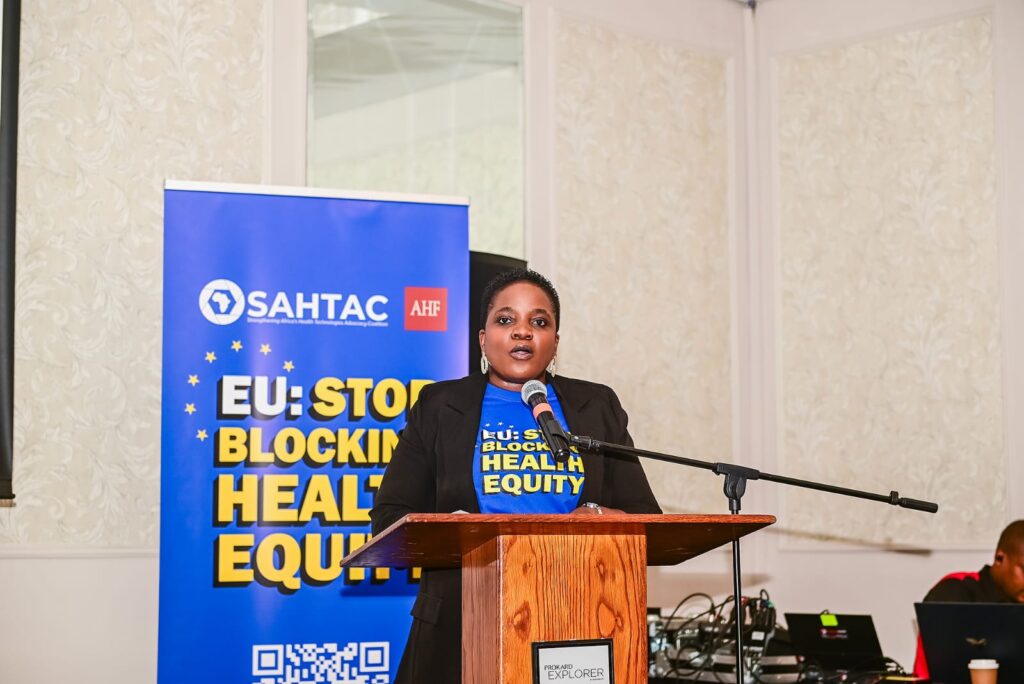
Aggrey Aluso, Executive Director of RANA, noted: “This is about partnership and shared progress. When systems are fair and predictable, countries can plan, invest, and grow stronger together.”
The coalition further called for strengthened collaboration, transparent governance, and practical mechanisms that ensure benefit-sharing is clear, traceable, and impactful.
Dr Nombuso Madonsela, Country Program Director at AHF South Africa, reflected on the broader significance of the negotiations: “We have an opportunity to shape a system that truly works for everyone. Equity must be built into the foundation so that no country or community is left behind.”
As negotiations enter their final phase, Africa’s voice is one of leadership, optimism, and purpose—contributing to a global health future defined by fairness, dignity, and shared progress.
AIDS Healthcare Foundation (AHF) is a global non-profit organisation providing cutting-edge medicine and advocacy to more than 2.8 million people in 50 countries worldwide. It is the largest non-profit provider of HIV/AIDS medical care globally.
The AHF Global Public Health Institute advances evidence-based policy to strengthen global health systems, focusing on equity, governance, and sustainable impact.